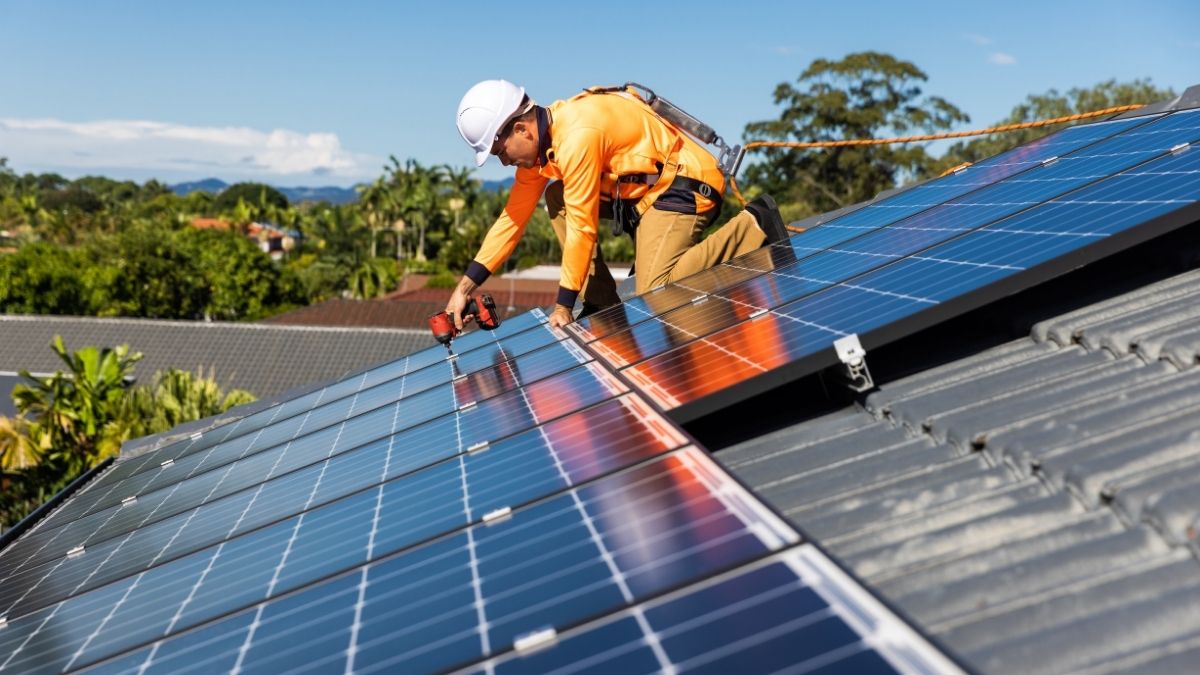
If you live in the West of Scotland, you are likely well-acquainted with the local weather forecast. It often feels like we experience four seasons in a single afternoon, with grey skies and drizzle being the most common visitors. Because of this, many homeowners are naturally sceptical when they hear about the benefits of renewable energy. You might find yourself wondering why anyone would bother with Solar panels Glasgow when the sun seems to be on a permanent holiday. It is a fair question, but the answer lies in how modern technology has evolved to handle our specific northern latitudes.
The first thing to understand is that solar photovoltaic (PV) panels do not actually need direct, scorching sunlight to generate electricity. While they certainly perform at their absolute peak on a cloudless day in mid-July, they are designed to harvest energy from daylight, not just heat. In fact, solar panels are often more efficient in cooler temperatures like ours than they are in sweltering desert heat, where the hardware can actually lose efficiency due to overheating. As long as there is light in the sky, your system is working to power your home.
How the technology handles the Scottish climate
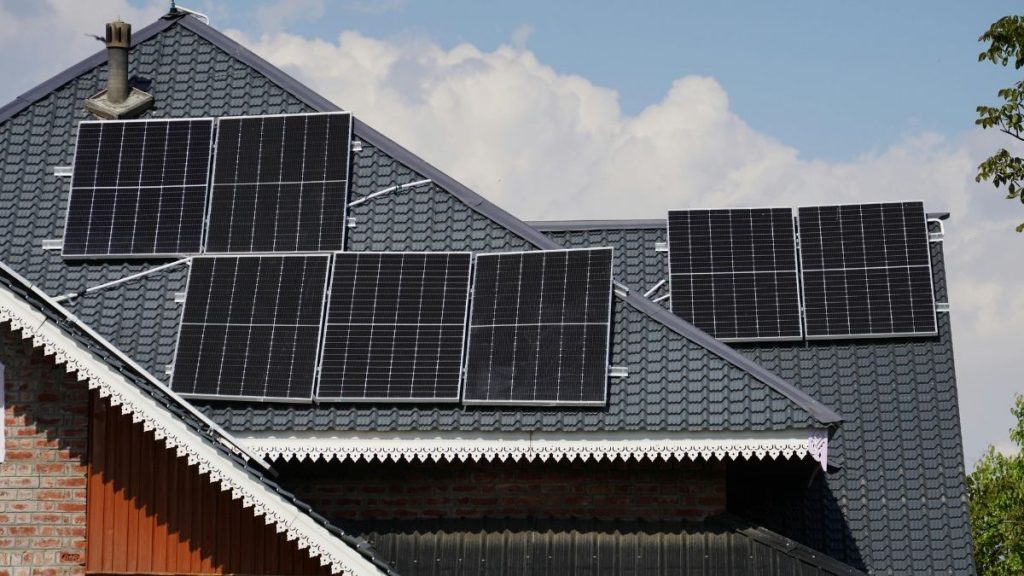
Modern solar cells are incredibly sensitive compared to the versions available a decade ago. They are now optimised to capture a broader spectrum of light, including the diffused light that filters through our famous Glasgow cloud cover. This means that even on a typical overcast Tuesday in November, your roof is still contributing to your household’s energy needs. This shift in technology is why we are seeing a massive increase in installations across neighbourhoods from Giffnock to Bearsden.
There are several reasons why modern systems are better suited for our environment than older models:
- Bifacial panels can capture light reflecting off surrounding surfaces, increasing total yield.
- High-efficiency monocrystalline cells perform significantly better in low-light conditions.
- Advanced inverters can manage the output of each panel individually, ensuring a single shaded panel doesn’t drag down the performance of the entire string.
- Durable coatings help rain wash away dust and debris, which is quite convenient given our frequent rainfall.
When you consider that Glasgow actually receives a similar amount of annual solar radiation as parts of Germany—a world leader in solar adoption—the argument for skipping solar based on weather starts to fall apart. It is about the total amount of light over the year, rather than having a few weeks of intense heat.
Saving money on your monthly energy bills
The primary motivation for most people looking into solar panels in Glasgow is, unsurprisingly, the financial aspect. With the cost of electricity from the grid remaining volatile, the ability to generate your own power offers a level of security that is hard to ignore. Every kilowatt-hour you produce on your roof is a kilowatt-hour you don’t have to buy from a supplier. Over the course of a year, this adds up to hundreds, if not thousands, of pounds in savings depending on the size of your system and your energy usage patterns.
Beyond just saving money on what you use, there is also the potential to earn money. Through the Smart Export Guarantee (SEG), energy suppliers are required to pay you for any excess electricity you feed back into the National Grid. While the rates vary between providers, it essentially turns your home into a mini power station. It is a satisfying feeling to know that while you are at work and your house is quiet, your roof is busy earning you a bit of extra credit on your account.
What the installation process looks like locally
Deciding to go solar is a big step, and understanding the logistics can help demystify the process. In Glasgow, the architectural variety of our homes—from Victorian red sandstone villas to modern semi-detached houses—means that every installation requires a bespoke approach. A professional surveyor will typically visit your property to assess the roof’s orientation, pitch, and structural integrity. Ideally, you want a south-facing roof, but east and west-facing roofs are also very productive in the Scottish climate.
Planning permission and local regulations
For the majority of residential properties in Scotland, installing solar panels falls under ‘permitted development,’ meaning you do not need full planning permission. However, Glasgow has many conservation areas and listed buildings. If you live in a beautiful old tenement in the West End or a listed property in Pollokshields, there may be specific aesthetic guidelines you need to follow. Local installers are usually well-versed in these nuances and can help you navigate the paperwork if your home requires a bit more care to stay within the regulations.
The physical installation usually takes just one or two days. Scaffolding is erected, the mounting system is secured to your roof rafters, and the panels are clicked into place. After that, the wiring is run to an inverter—usually located in the loft or a garage—and connected to your consumer unit. Once the final safety checks are completed, the system is commissioned, and you can start monitoring your production through a smartphone app.
Choosing the right system for your home
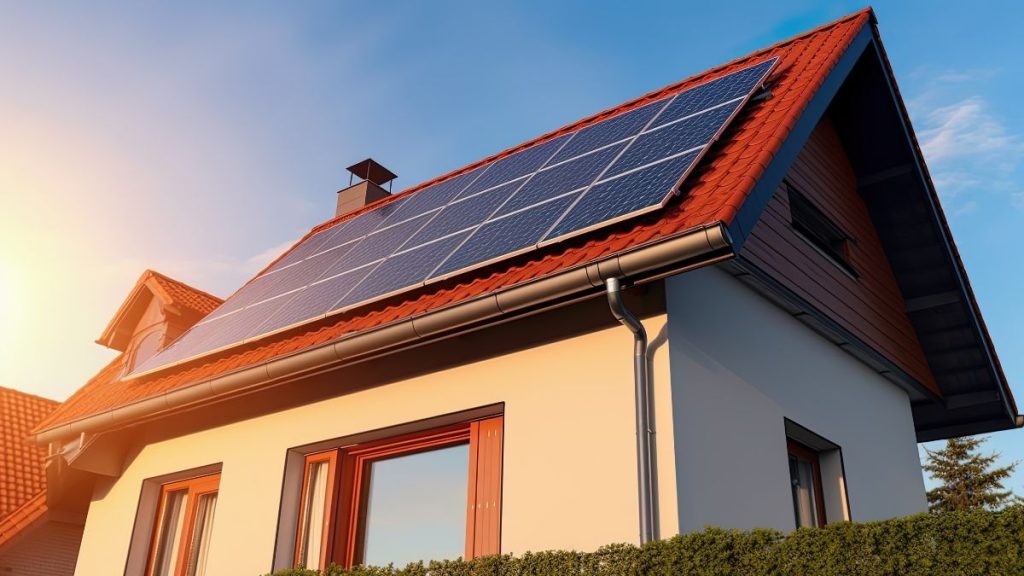
Not all solar setups are created equal. To get the best return on your investment, you need to think about how you actually use energy. If you are at home during the day, you can use the power as it is generated. However, for many Glaswegians who work 9-to-5 jobs, a battery storage system is a game-changer. A battery allows you to store the energy produced during the peak daylight hours and use it in the evening when you are cooking dinner, watching TV, or charging your phone.
When planning your system, consider these components to maximise your efficiency:
- Battery Storage: Essential for using your solar energy after the sun goes down.
- EV Charging Points: If you have an electric vehicle, you can essentially drive on sunshine.
- Immersion Diversion: A clever device that sends excess solar power to your hot water tank rather than the grid.
- Monitoring Software: Real-time data helps you decide when to run the dishwasher or washing machine to make the most of free energy.
The longevity of these systems is another major plus. Most panels come with a performance warranty of 25 years, meaning they are a long-term asset for your property. They require very little maintenance; the rain in Glasgow generally does an excellent job of keeping them clean, and there are no moving parts to wear out. Occasionally checking the inverter for any fault lights is usually all the ‘work’ a homeowner needs to do to keep things running smoothly.
As the city moves towards its net-zero targets, more and more people are realising that they don’t need to live in the south of France to benefit from renewable energy. By taking control of your own power generation, you are not just protecting yourself against future price hikes; you are also making a tangible contribution to the city’s green future. Whether you are in a quiet suburb or a bustling urban street, the light falling on your roof is a resource that is currently going to waste if you haven’t yet made the switch.

Laura Evans is an experienced nature writer passionate about herpetology and biodiversity. Her work centers on exploring the fascinating world of reptiles and amphibians, offering practical care guides, species profiles, and conservation insights.